
Google’s Constellation Deal Makes Long-Term Power Finance an AI Advantage
Bottom lineGoogle’s 3,590 MW agreement combines 890 MW of planned new nuclear capacity with 2,700 MW of existing supply. Long-term financing and delivery discipline could shape the AI infrastructure advantage.
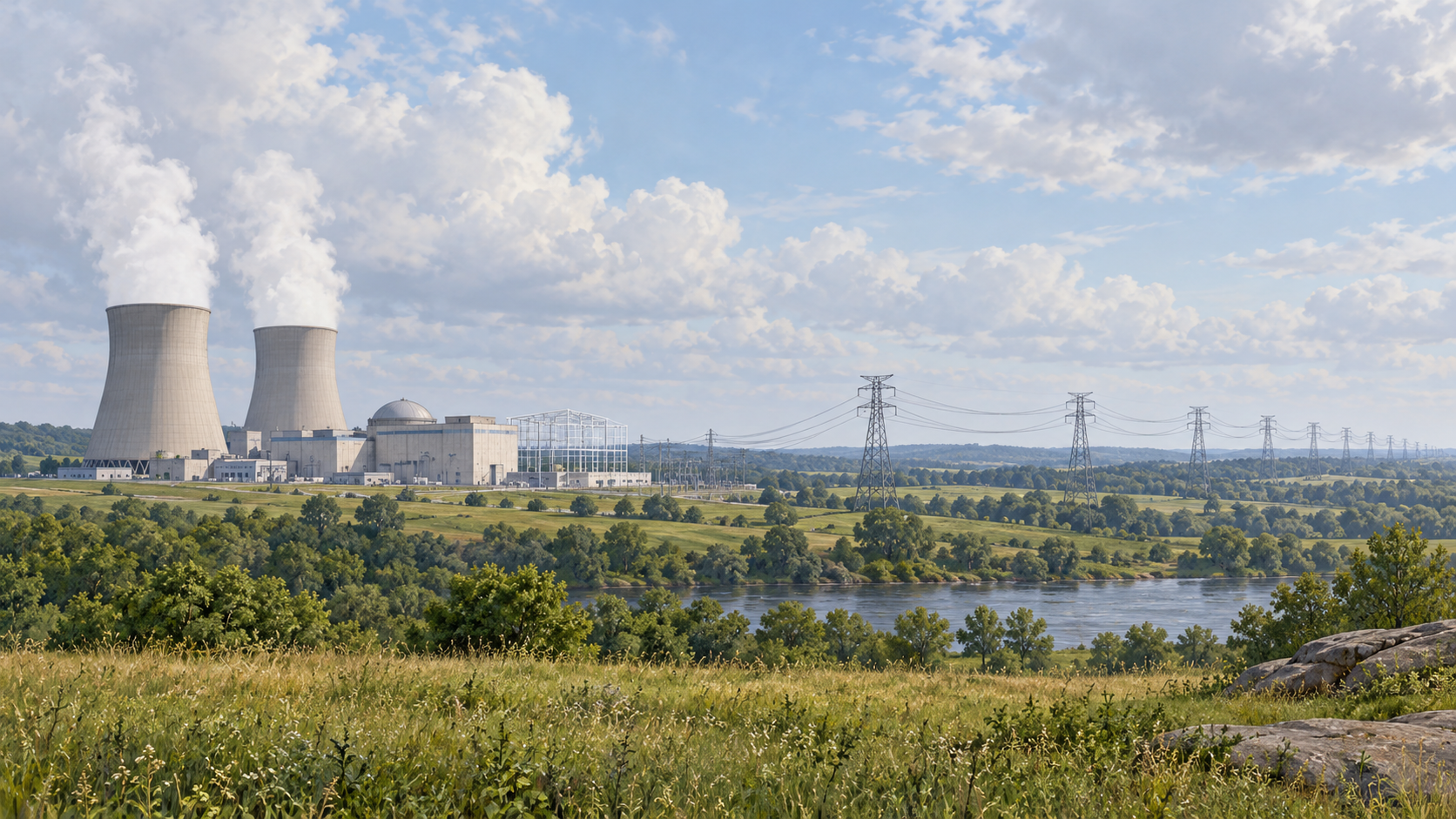
Google’s latest power agreement shows how AI competition is expanding into a business that rewards patient capital: financing additional electricity supply. The strategic advantage could belong to companies able to commit years before they need the power. The commercial test will be how much dependable capacity arrives, when it arrives, and at what cost.
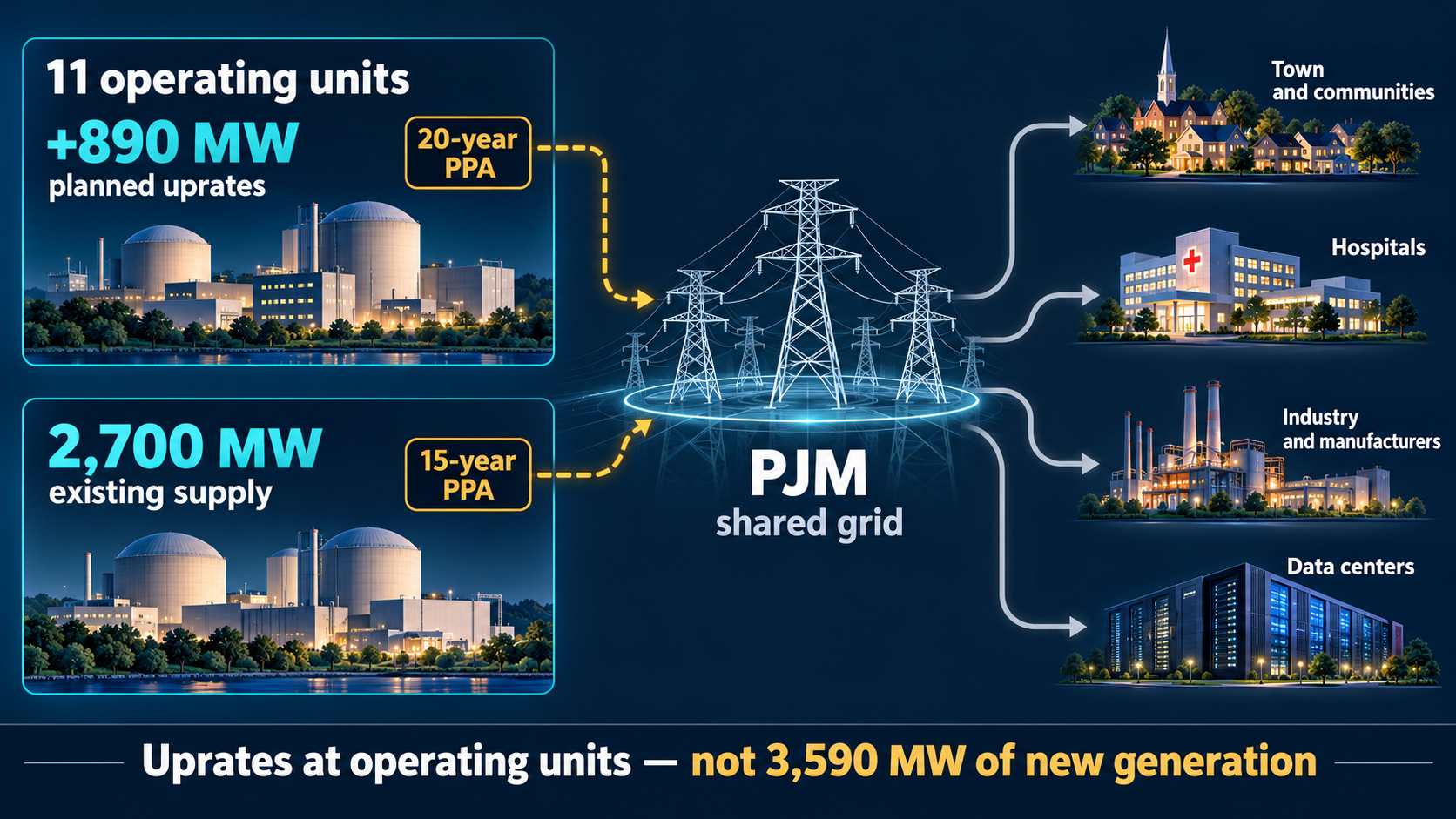
On October 6, Google and Constellation announced two agreements covering 3,590 megawatts in the PJM electricity system. A 20-year power purchase agreement supports 890 MW of additional nuclear capacity through upgrades at 11 operating units. Constellation expects more than $4.3 billion of investment, with the first uprate targeted for 2028. A separate 15-year agreement covers 2,700 MW from its existing fleet.
That split is central to understanding the announcement. Roughly one-quarter of the combined capacity is intended to be additional generation. The larger component provides long-term commercial support for existing supply. Reporting the entire package as 3.59 GW of new nuclear capacity would materially overstate its contribution to the grid.
The scarce resource is a credible delivery schedule
For a data-center developer, electricity has value beyond its price per megawatt-hour. A plausible commissioning date helps determine when an expensive building can start earning revenue. A cheaper energy contract is less useful if a facility waits years to connect or cannot run reliably.
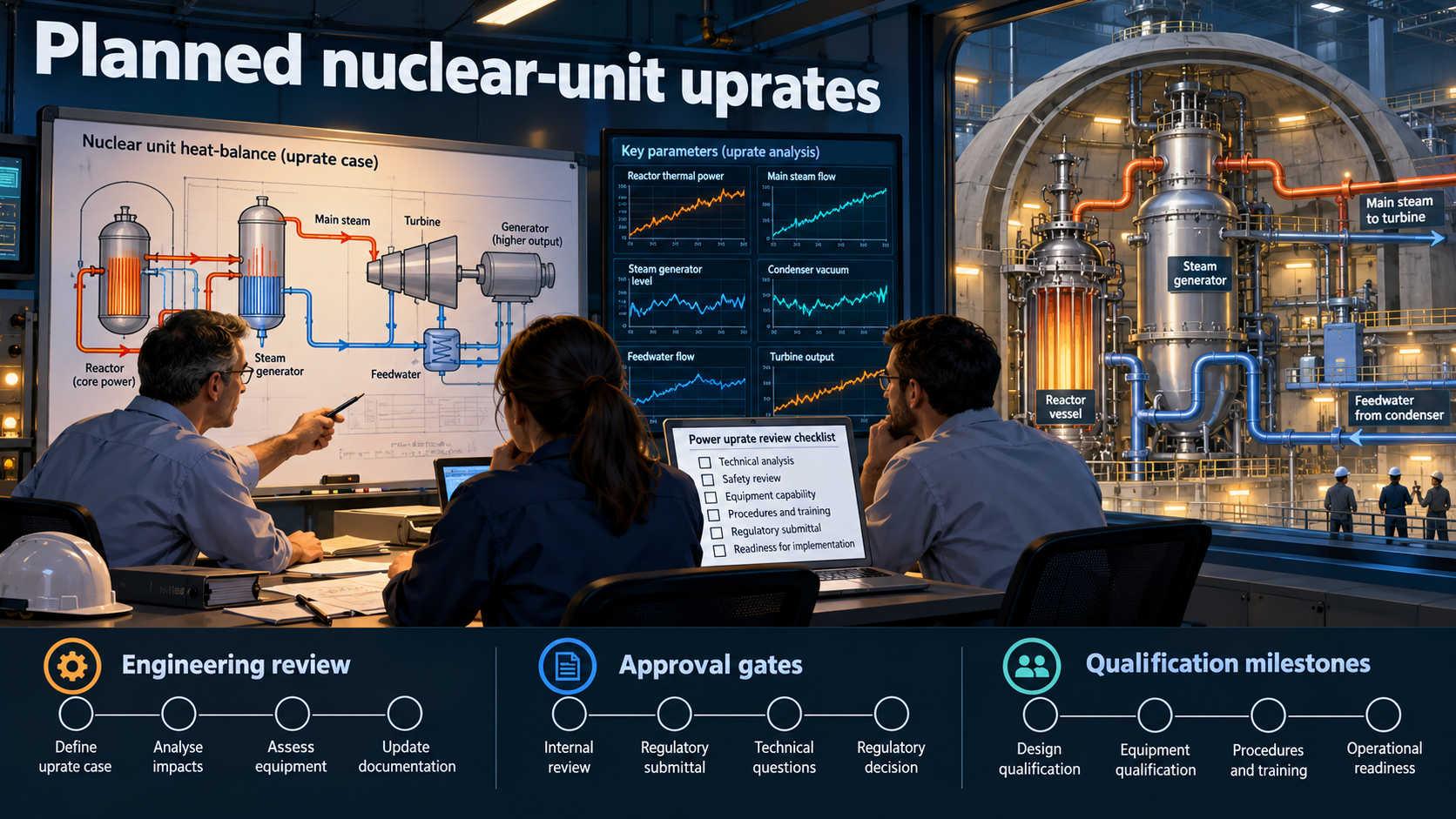
This is why upgrades to operating plants deserve attention. They offer a route to additional output using an established industrial footprint. However, an uprate is still an engineering project. The Nuclear Regulatory Commission explains that increasing a reactor’s licensed power requires an amendment supported by safety analysis; equipment changes can also be substantial.
The inference for AI infrastructure is straightforward: existing assets can become strategic growth platforms when a large customer supplies durable demand. That could favor utilities with technically viable upgrade opportunities and customers with the balance sheets to make long commitments. It could also raise the competitive hurdle for smaller computing providers that cannot make comparable commitments themselves.
A power deal also becomes a cloud relationship
There is another commercial layer. Constellation selected Google Cloud and Gemini Enterprise under an expanded five-year technology alliance. The companies identify planning, generation operations and infrastructure security as intended areas of work.
This gives Google a potential customer relationship alongside its electricity relationship. If the software produces measurable improvements, the energy project could become evidence for selling similar systems elsewhere. That is an analytical possibility, not a demonstrated financial return: the announcement provides no independently verified reduction in operating costs or project delays.
The combination also deserves disciplined evaluation. A long electricity relationship and a technology contract need separate performance tests. Power delivery, software effectiveness and security outcomes should each justify their economics. The existence of the bundle does not establish that either party received a favorable price.
The longer commitment creates a different risk
A 20-year purchasing horizon stretches well beyond a single generation of AI hardware. That can help finance durable assets, but it also creates exposure to changing demand, improved computing efficiency and competing energy supplies.
The public announcement does not disclose enough contract detail to determine how volume, price or underutilization risk is allocated. It would be premature to describe Google as fully insulated from power inflation, or Constellation as having guaranteed returns.
The shared-grid structure matters, too. Additional generation can improve system supply, while transmission constraints and local demand still influence what individual customers experience. The companies’ affordability commitments are worth following, but an announcement cannot establish the eventual effect on household bills.
What would strengthen the case
The next useful evidence is practical: unit-level upgrade milestones, applicable approvals, construction progress and delivered output. Further disclosure on commercial risk allocation would help assess whether the long commitments create durable value for both sides.
FUVISIGHT’s view is that this agreement makes financing and execution more important to the AI advantage. That view strengthens if new megawatts arrive near the stated timetable and support dependable operations. It weakens if delays absorb the scheduling benefit or the economics rely mainly on reallocating existing supply. The headline capacity establishes scale; the delivery record will establish value.
References
- Constellation Energy, “Google and Constellation Announce Landmark Agreement to Bring 890 MW of New Nuclear Capacity to PJM Grid as Part of Long-Term Power Deal,” October 6, 2026. · Source dates preserved in reference title
- Google, “Why we’re backing America’s existing nuclear plants,” October 6, 2026. · Source dates preserved in reference title
- Reuters, “Google enters massive 3.6-GW power deal with Constellation Energy,” published October 6, 2026, 6:36 a.m. EDT; syndicated by StreetInsider. · Source dates preserved in reference title
- U.S. Nuclear Regulatory Commission, “Background on Power Uprates.” · Source dates preserved in reference title